BEBA Family Healing Summit
Support for Families to Thrive in
Challenging Perinatal Times
About BEBA ~ Building and Enhancing Bonding and Attachment
A Center for Family Healing
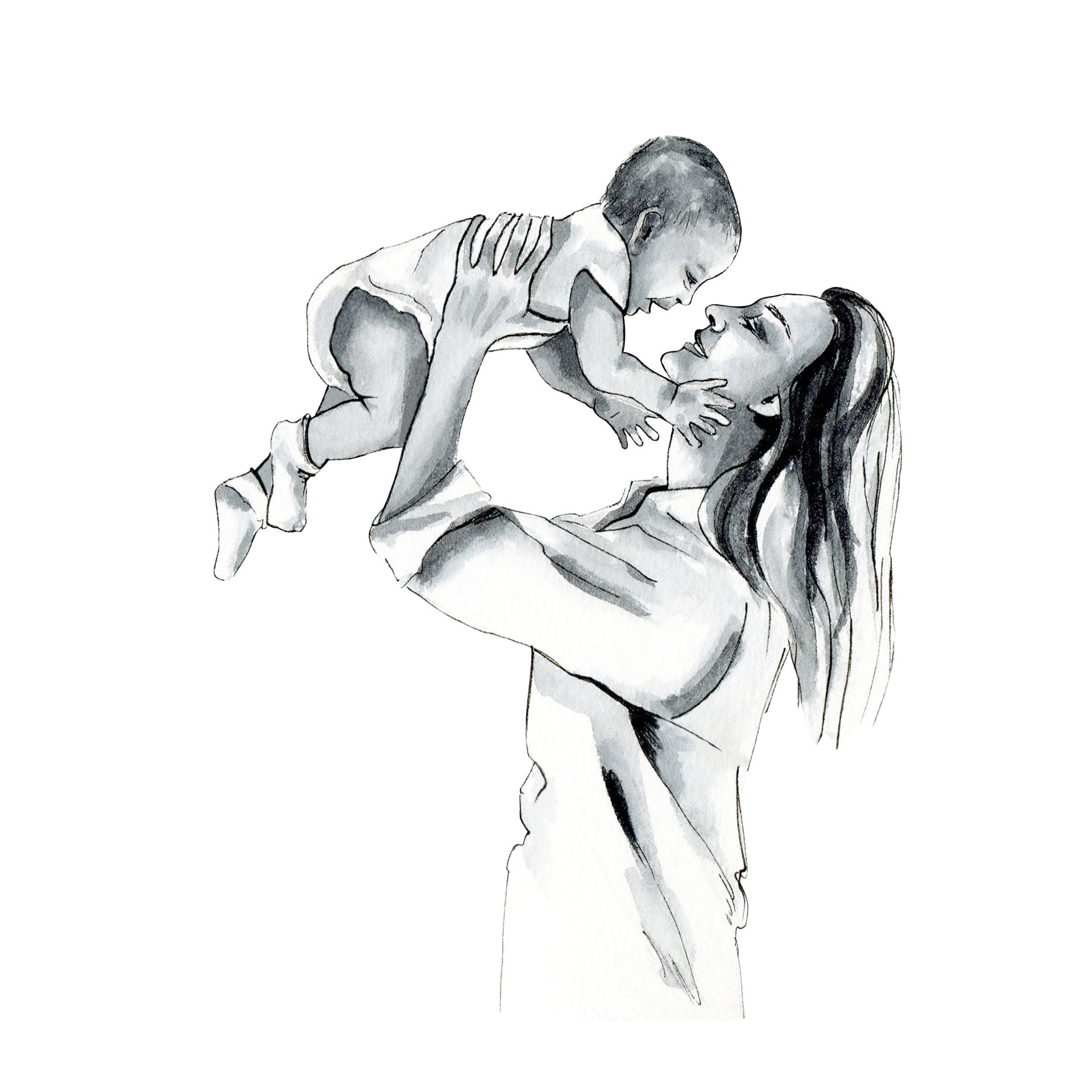
Attachment Dynamics
How They Impact Our Daily Lives
Our early attachment patterns are the most influential aspect of our physical, emotional, mental, social and spiritual lives. They are the template for all of our relationships. These patterns build the foundation of our nervous system and our future health.
Our attachment dynamics or (survival strategies) are imprinted and encoded in our body- based memories. By becoming aware of what did and often what did NOT happen in our early lives is the beginning of the repatterning process.
The developmental shift into (l)earning secure selfhood or secure attachment comes from repatterning our early adaptive strategies. We all carry these dynamics but they are often hidden from us beneath our awareness. We need a clear and coherent mirror to reflect truth and health back to us.
No matter what our beginning looked like it is our birthright to feel welcomed, safe, connected, embodied and resilient.
Babies Have a Story to Tell
Supporting Families After Difficult Births
Many families report that their births felt traumatic, or that elements of their experiences have been overwhelming. Current trends in care for families who have difficult births include perinatal mental health, trauma-informed care, medications and working with the birth story. Not many approaches include the baby’s experience or how they show their side of the story. The clinical approach of the BEBA clinic is to hold that babies can and need to tell their story; they “show” their story through movements, gestures, postures, crying or emotional expression, and facial expressions. Babies are aware, conscious and want to show their story. This presentation will give examples of the ways that babies have a story to tell that includes videos and pictures for practitioners and parents to grasp the baby’s experience.
Coming Home Together
Supporting Attachment & Healing in Adoptive and Foster Families
How can we help a child feel truly safe, settled, and welcomed in a new family?
This presentation explores how early experiences — including separation and loss at birth, adoption, and foster care— can affect a child’s ability to connect and trust. We’ll look at how the nervous system stores these early imprints and how they show up in the child’s behaviors and relationships.
Using pre- and perinatal somatic tools, we’ll focus on how to:
- Understand what a child’s behavior is communicating through play
- Create environments that help children feel safe in their bodies and relationships.
- Support attachment, regulation, and a sense of belonging
This work supports caregivers to become a steady, supportive presence so children can begin to heal and grow in connection.
The Courage to Love Again
Supporting Secure Prenatal Attachment After Pregnancy Loss
Pregnancy loss is a devastating experience that happens to many parents every year and most go on to conceive again. Going through such a loss can turn gestation into a time that feels tenuous and full of worries, making it harder for parents to feel safe enough to bond with their growing baby. Our own histories and our ancestral imprints around death and loss have an impact on how we move through the loss of a baby, making this phase possibly even more challenging.
We know that the prenatal period is one of the most impactful attachment phases for both parents and children, making it crucial to offer support to families so they can find their way back to a sense of safety. While parents are often well supported in the physiological aspects of conceiving again after pregnancy loss, the emotional impact of the loss and how this will affect the connection with their new child needs holding as well. For the new being coming in it is essential that parents process their loss and find the safety and trust inside to open up to love again.
Memory & Consciousness in the Prenate and Baby
How Early Imprints Shape Our Lives
During this presentation we will explore how intense and significant experiences during our prenatal and birth history can have a tremendous impact in the way we live our lives, even if we are not aware of them. Experiences from conception, gestation to the first 18 months of life are recorded implicitly as non-verbal memories in the form of sensations, movements and emotions leaving an imprint responsible for many of our habits and preferences, even though we aren’t conscious of their origins.
We will watch a video of a 6-month-old baby showing some imprints from the time he was in the womb and understand how bringing this into awareness of his parents changed everything.
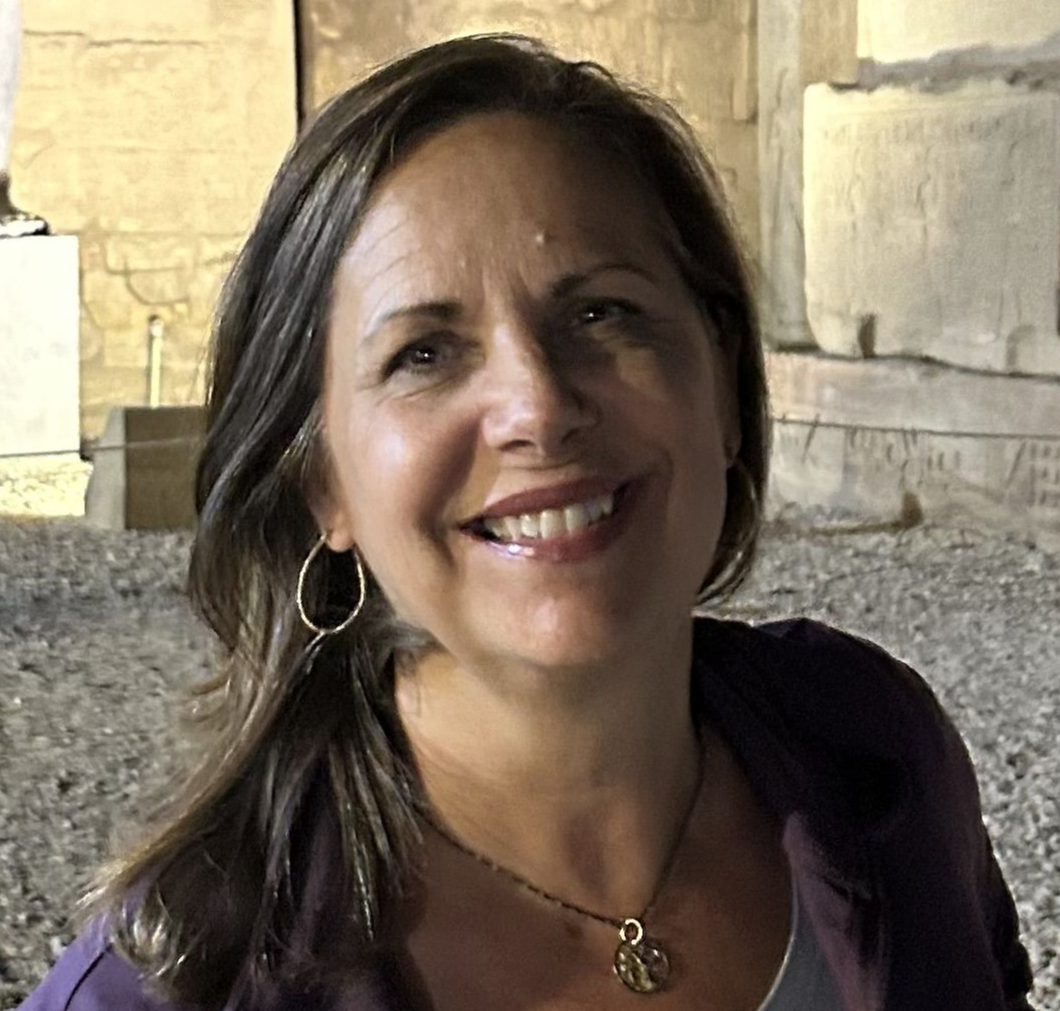
Lynn Korst
She is a graduate of the Castellino Foundations training as well as a Prenatal and Perinatal Educator (PPNE) from the Association of Prenatal and Perinatal Psychology and Health (APPPAH). She has completed the Castellino Family Practitioner Training and is on staff of the Building & Enhancing Bonding and Attachment Clinic (BEBA). She is working towards becoming an approved Womb Surround Process Facilitator.
She is a certified practitioner of NARM (Neuro Affective Relational Model) which helps integrate early childhood survival strategies. She holds a certificate in Trauma Informed Somatic Therapy and is a facilitator of the Circle of Security Parenting Program.
Her greatest joy is spending time with her family. She is the proud mom of three grown children and lives with her husband in Boulder Colorado.
Kate White

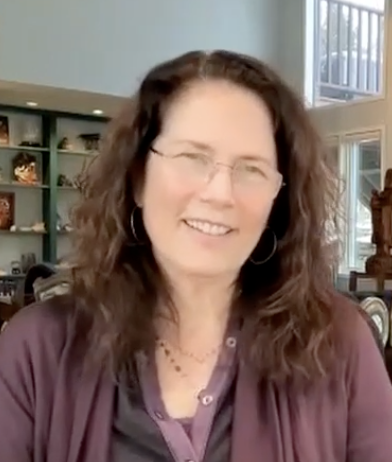
Alison Greene-Barton
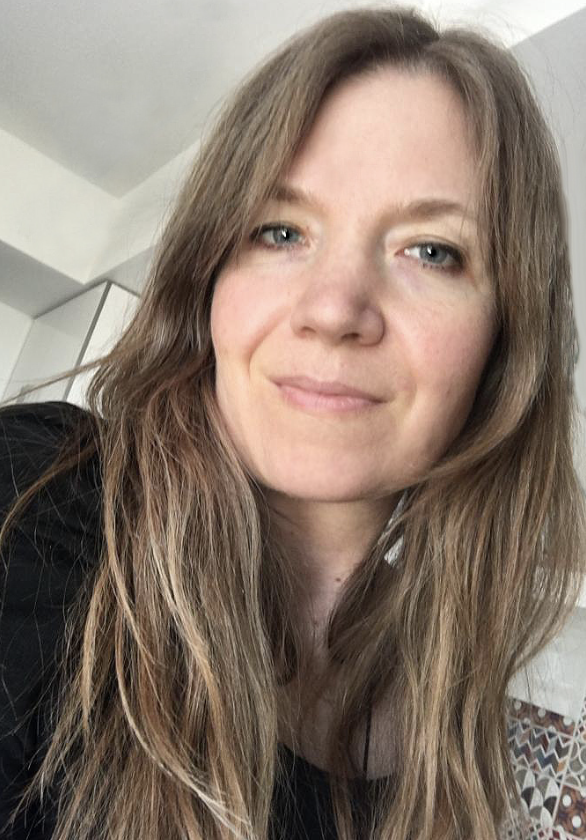
Sarah Theismann
Tara Blasco

Join our global community.